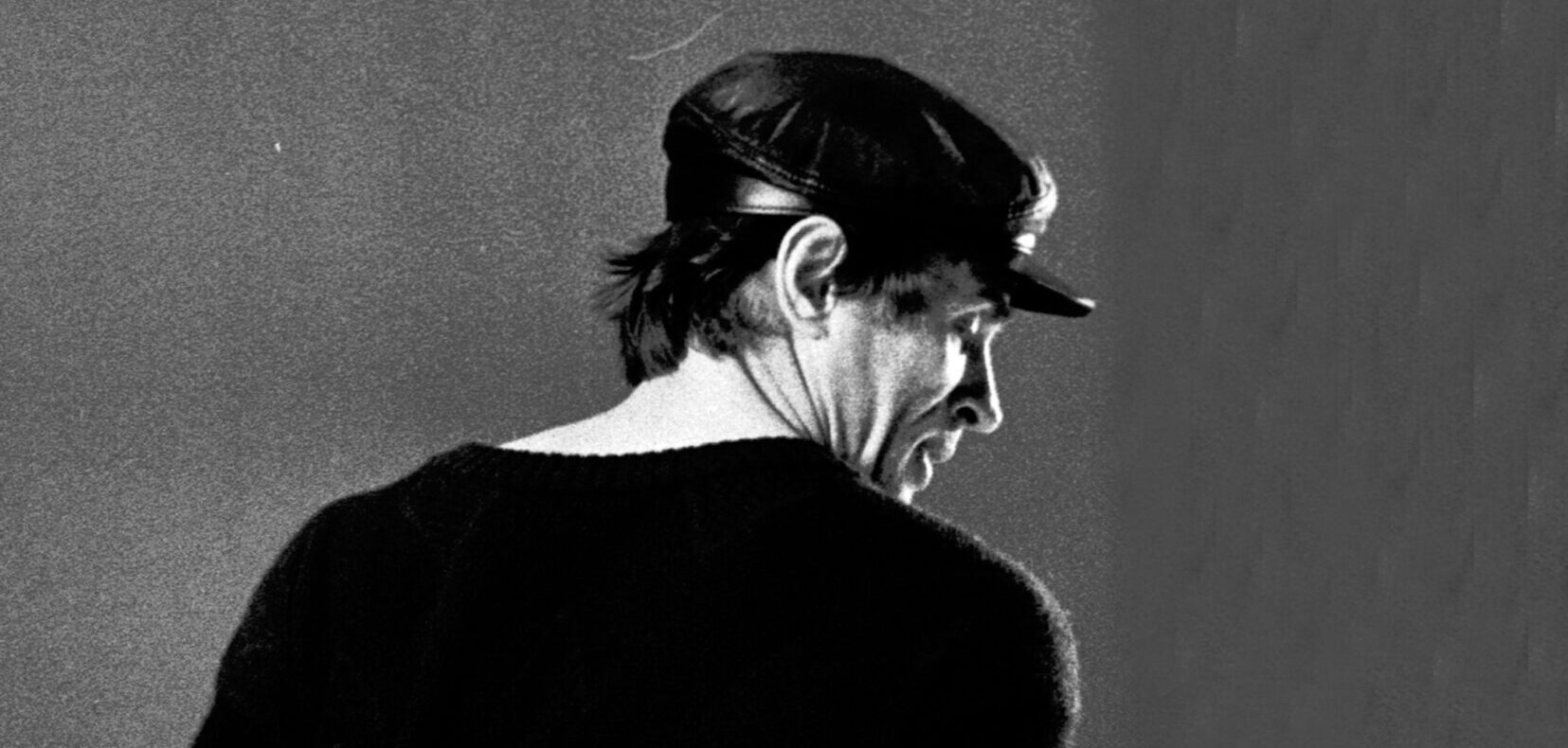
Rudolf Nureyev’s passion for music came a close second to his passion for dance.
He listened to music from his earliest childhood and, during his time at the Vaganova School in Leningrad, attended concerts whenever possible. He also learnt to play the piano, something he would continue to enjoy throughout his life. Later in his career, a portable keyboard accompanied Nureyev everywhere, and items sold after his death included organs as well as historic harpsichords and pianos.
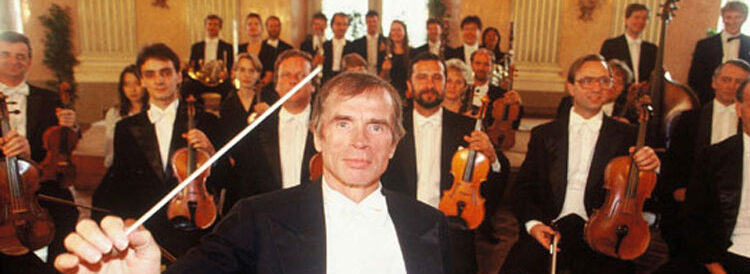
The idea that Nureyev might conduct had been encouraged by Karl Böhm, Herbert von Karajan and Leonard Bernstein. Years later, with his health in serious decline and dancing ever more difficult, Nureyev took their suggestion seriously.
First performances
The opportunity to learn to conduct came through the Hübner family, in Vienna, who introduced him to Dr Franz Moser, director of one of Vienna’s music venues, the Palais Auersperg. His first lessons took place in the Hübner’s summerhouse, outside Vienna, from where he graduated to rehearsals with a full orchestra at the Palais Auersperg. His first performance was here, on 25 June 1991, a programme of Haydn, Mozart and Tchaikovsky played by the Wiener Residenz players. In a conducting career lasting little more than a year, he took to the podium in Athens, Budapest, Deauville, Ravello, Czestochowa in Poland, New York, Salt Lake City and San Francisco, including performances of The Nutcracker and Stravinsky’s Apollo. He was also invited to conduct Romeo and Juliet in Russia, at the Kazan Opera.
On 6 May 1992, Nureyev conducted a performance by American Ballet Theater of Romeo and Juliet at the Metropolitan Opera House in New York. His Paris protégés, Sylvie Guillem and Laurent Hilaire, danced the title roles.
Final performances
His final appearance as a conductor was at Berkeley University in San Francisco on 17 July 1992. He had hoped to conduct the orchestra at the Paris Opéra, in the 8 October premiere of what would be his final ballet production, La Bayadère. Now seriously weakened by his illness, it was clear to everyone that he no longer had the strength to undertake the task.
He died three months later, on 6 January 1993.
Nureyev's Life
Read the timeline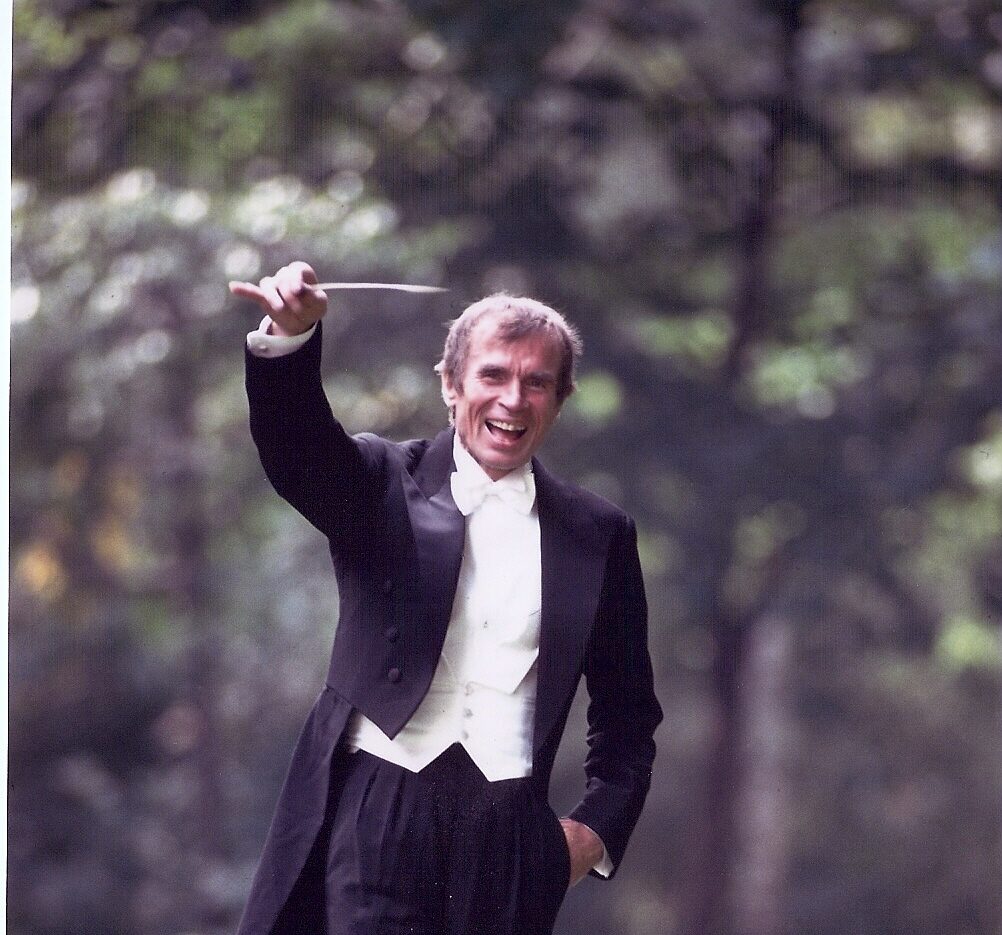
The Nureyev Database
A searchable catalogue of Nureyev’s work as performer, choreographer, producer and conductor. Our database is a work in progress and we welcome further information that will help ensure this unique resource is accurate and complete.