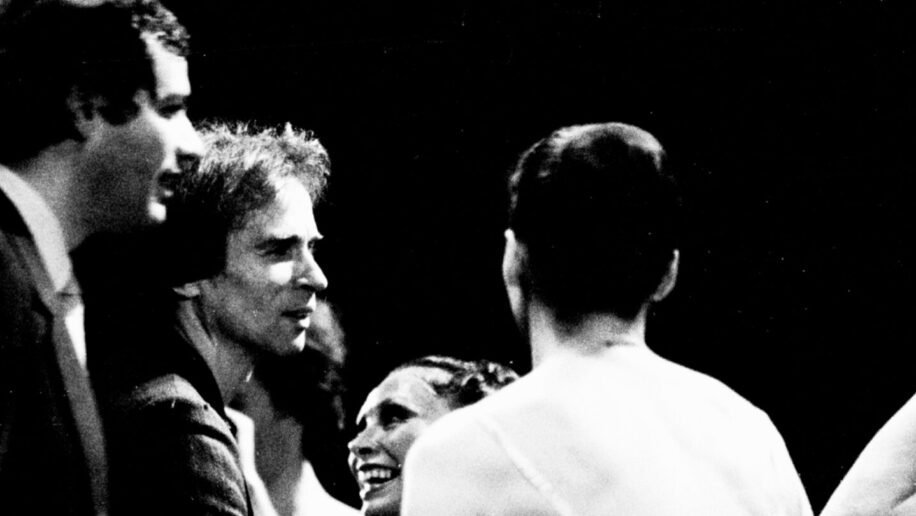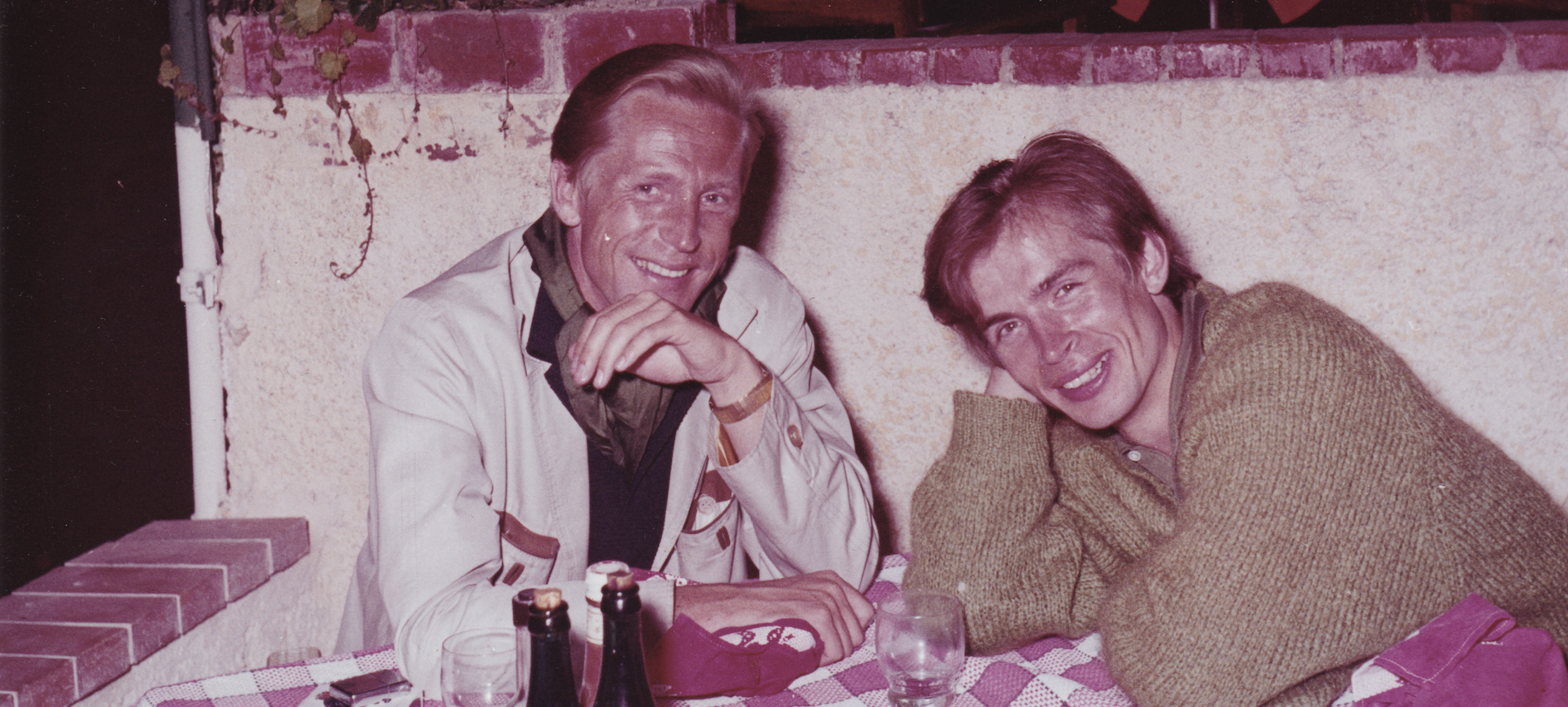
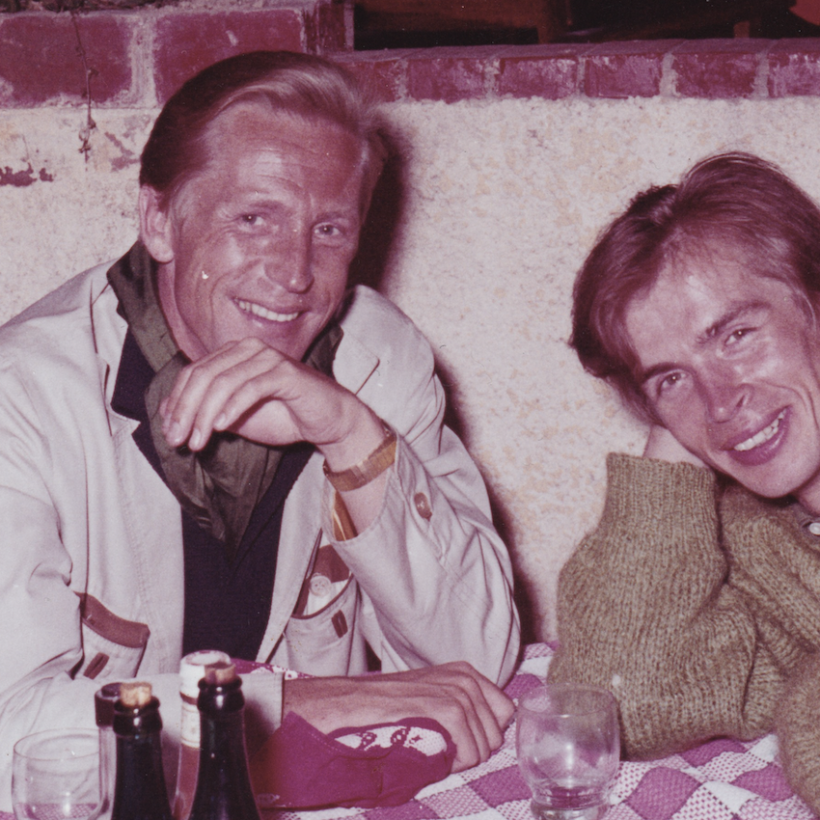
Julie Kavanagh writes about the relationship between Rudolf Nureyev and Erik Bruhn.
Rudolf always said that the main reason he had defected was to learn to dance like Erik Bruhn. Ten years his senior, the Danish star had not only the elongated physique he coveted, but appeared to exemplify the finesse that he knew he lacked. ‘Whether as friend, lover, or enemy. I have to go to that camp and learn it all.’ Over the next six years, he would become all three.
In Leningrad, a Kirov ballerina recalled, ‘he hadn’t quite sorted himself out – it was a little of this, a little of that’. There had been two women: a glamourous, husky-voiced Cuban student, his first sweetheart, and Pushkin’s younger wife, who seduced and monopolised Rudolf, creating a shameful situation from which he badly wanted to extricate himself. He was taught what he called ‘the art of male love’ by a 17 year old East German student with an erotic presence as visible as heat haze. It had been Teja Kremke who constantly goaded Rudolf to go the West; only there, he said, would he become the greatest dancer in the world. And it was Teja who filmed Erik Bruhn when American Ballet Theater performed in Moscow. ‘Bruhn is cold’, Teja remarked as they watched the blurry footage. ‘Yes’, said Rudolf, adding his well-known oxymoron:
“He’s so cold he’s like ice; you touch it and it burns you”
Rudolf Nureyev
There was little Rudolf would not do to fulfil his destiny. Believing that you make your own luck in life, he engineered a brief liaison with Bruhn’s former girlfriend and partner, 36 year old Maria Tallchief, the celebrated American ballerina, who was performing in France. Within a fortnight, he was travelling with her to Denmark to meet his idol.
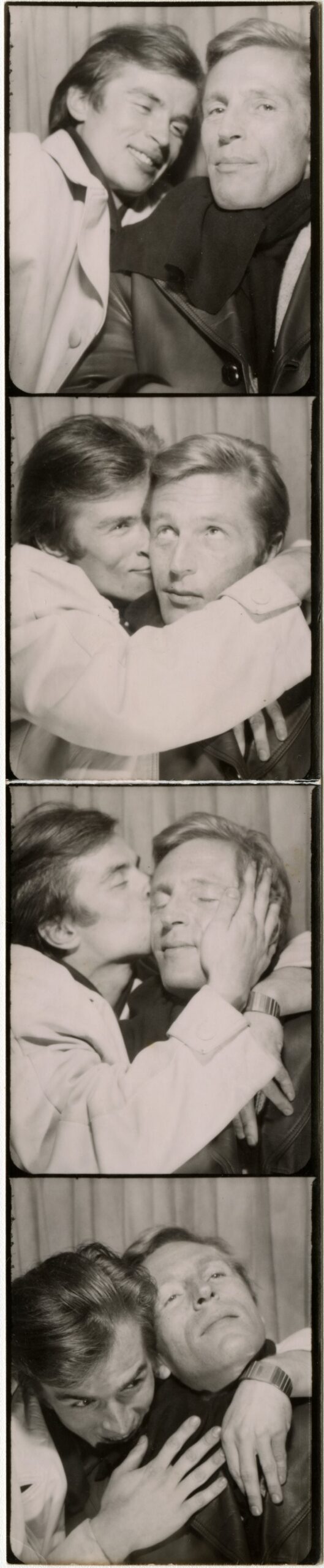
Their volatile triangle soon developed into a reciprocal deep passion between the two men, Rudolf ‘a starry-eyed boy’ in the presence of Erik, whose every glimpse in the studio or on stage was a tutorial in male dancing at its zenith. The perfection of placing and sense of effortlessness, with no gesture superfluous, no movement overinflated, humbled Rudolf, who was considered by the Danes in class to be ‘a dirty dancer… sort of messy.’ Erik, however, was just as stirred by him. The romantic ardour he saw in Rudolf – ‘that looseness of his’ – began imparting much greater force to his own dancing. ‘It was through watching him that I could free myself … That’s how we began to take from each other.’ They were Apollo and Dionysus who had found their opposite and were feeding off each other.
In London, living together and guesting with The Royal Ballet in l962, they were dubbed a ‘Beatnik and a Prince’, both heaven-sent sources of inspiration to its dancers. To audiences, though, Rudolf’s raw animalism was far more alluring than Erik’s classical purity and, when box office figures reflected this, it was the Russian, not the Dane, who was invited to become a full-time member of the company. Broken in spirit, Erik left London. ‘He never did recover completely’, said his Royal Ballet partner, Nadia Nerina. ‘One can date the beginning of the sad decline of this superb dancer from the beginning of his relationship with Nureyev.’
In different parts of the world, leading different dancing lives, yearning letters became their link, Erik’s unattainability fanning Rudolf’s obsessive adoration. He called it ‘The Curse’, and he vowed never again to commit himself again with such intensity. ‘Better to have stone in place of heart.’ Only near the end of his life did he fall in love again. Again, it was a Danish dancer, this time an unpolished young Apollo, whom Rudolf dreamed of moulding into the image of Erik and himself.
Read on to find out about Nureyev’s partnership with Margot Fonteyn.
Nureyev and Fonteyn: A Taming of Sorts
Read the article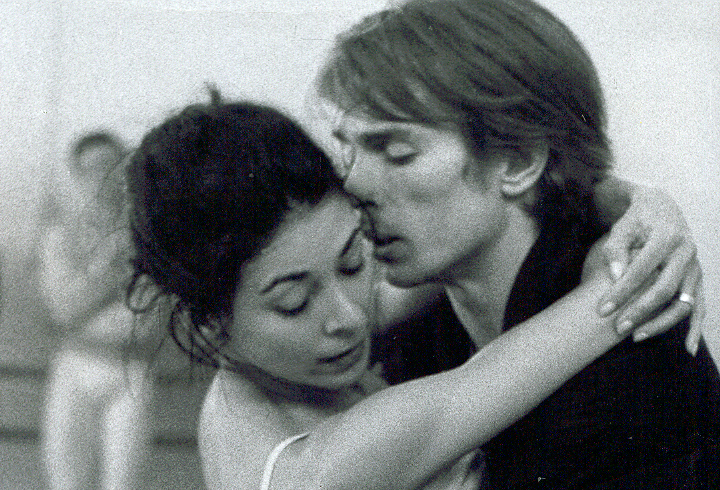
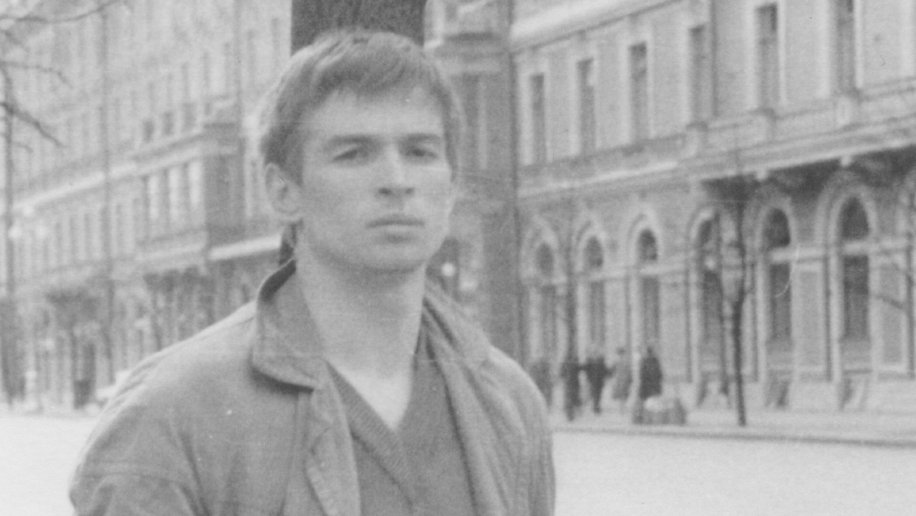
The Russian Years: Lilac from the Gods
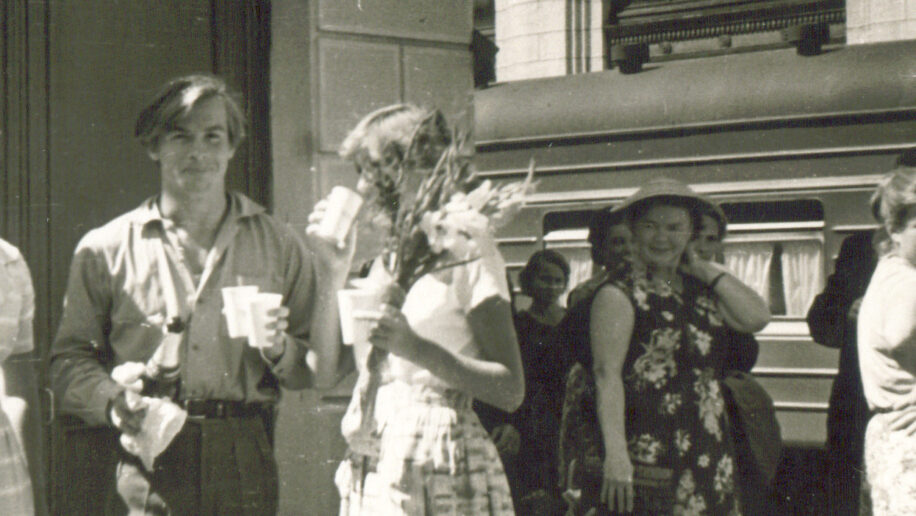
The Defection: No Running, No Jumping
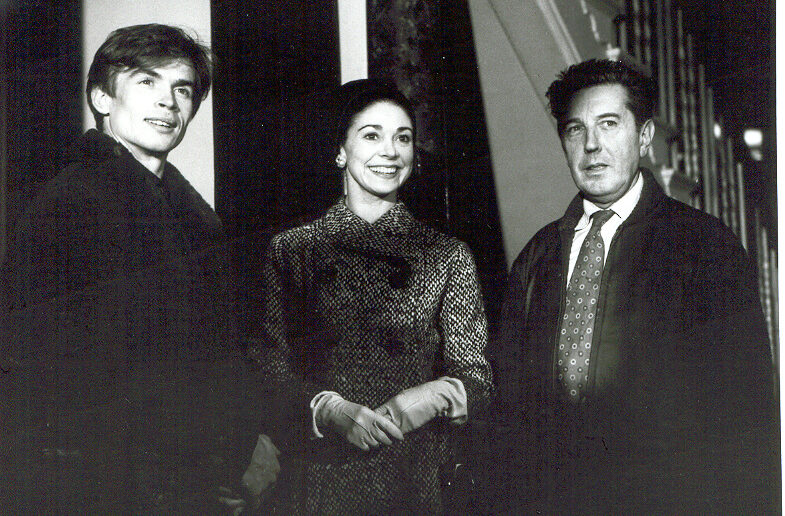
The Royal Ballet Years: The Cuckoosha
The Sixties: Rudi Mania
The Seventies: Gate Crashing
The Paris Opéra Years: Baggage of Knowledge