Julie Kavanagh writes about Rudolf Nureyev’s enduring legacy and his lasting impact on dancer, dancers and the world beyond.
Anyone can see in Sixties portraits of a semi-naked Nureyev what the novelist Colm McCann called ‘the Michaelangelo of him’, but his burning impact on stage is locked in the memory of those who saw him perform. ou can watch on POP (the Paris Opéra web platform) Charles Jude and Jean Guizerix (the original male leads of Nureyev’s Raymonda) teaching bravura skills and conveying the magnetism needed for a student performance to their pupils – leggy boys who will be aware of the mythology surrounding Nureyev’s name. Ballet technique has evolved incredibly over decades, and they are unlikely to have been impressed by footage they have seen of Rudolf dancing. What they may not know, however, is that their super-supple, androgynous ideal began with his merging of two genders’ technique – the equality he championed between a male and female dancer.
Rudolf was too controlling to have inspired the world’s great choreographers, and he did not have Nijinsky’s genius for creating ballets for himself. He had, as Ninette de Valois, said, ‘a certain talent… But not very much’, his trademark choreography cluttered with what Joan Acocella called ‘Nureyev’s goddamn ronds de jambes and those little steppy things’. Rudolf’s impact and influence was to have been a messiah of St Petersburg classicism, a catalyst who changed companies across the world by merging their native style with his own.
‘Diaghilev Pygmalion’ was how he referred to his role as Producer in Cinderella, the ballet inspired by Sylvie Guillem, but Rudolf was by nature an impresario and a sculptor of stars. This is not necessarily a gift bestowed on legendary names: Mikhail Baryshnikov, although director of American Ballet Theater, was no pedagogue; Margot Fonteyn would agree only grudgingly to coach young ballerinas. To perform alongside Rudolf meant to be taught by him – ‘to be cajoled and inspired to share in his example and vision of what was possible in dance’ said one Canadian protégé, to ‘reach the stars, the real pinnacle of ballet’, said another.
Rudolf’s disciples are now his flame-keepers, able to transmit first-hand his mantra:
“Dance boldly and full out. Hold back nothing! Timid is not interesting... Take the stage and command it! Audiences come to the theatre to see people obsessed by what they do.”
Rudolf Nureyev
That is what Jean Guizerix is attempting to explain by scraping clenched fingers up his torso to get those youths to haul from deep inside ‘les tripes’ (the guts); find une animation du coeur (quickening of the heart); une fulgurance(moment of genius)…
Perhaps one dancer in a generation combines technical brilliance with Rudolf’s blaze – Carlos Acosta and Sergei Polunin come to mind. But what about the others? Technique can be taught, but perfection of form and mastery of steps count for nothing if (in his words) there is ‘no spirit, no soul, no trembling of your feelings’.
For the Nureyev legacy to endure, his essence must exist in the dancer who refuses complacency, is driven to cliff-edge risk and is in perpetual pursuit of something beyond reach – something interior. Une fulgurance.
To find out more about Rudolf Nureyev, read Julie Kavanagh’s authorised biography, Rudolf Nureyev: The Life.
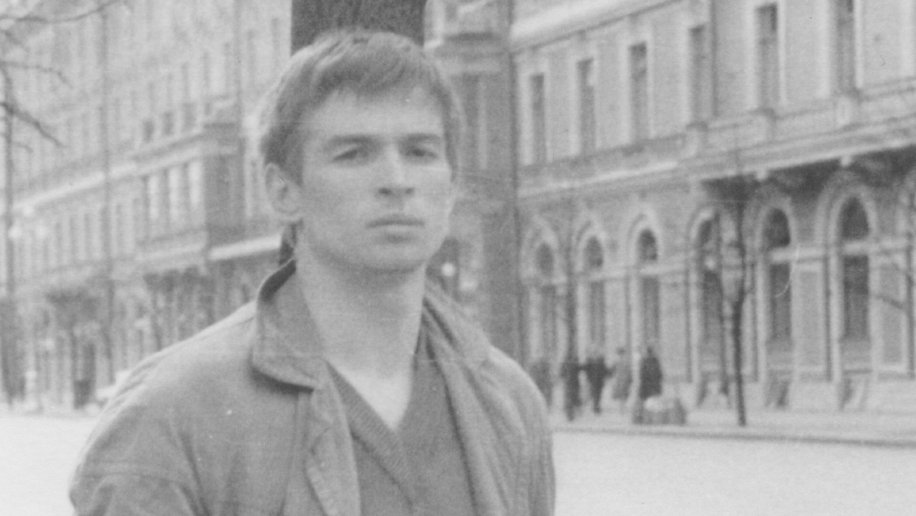
The Russian Years: Lilac from the Gods
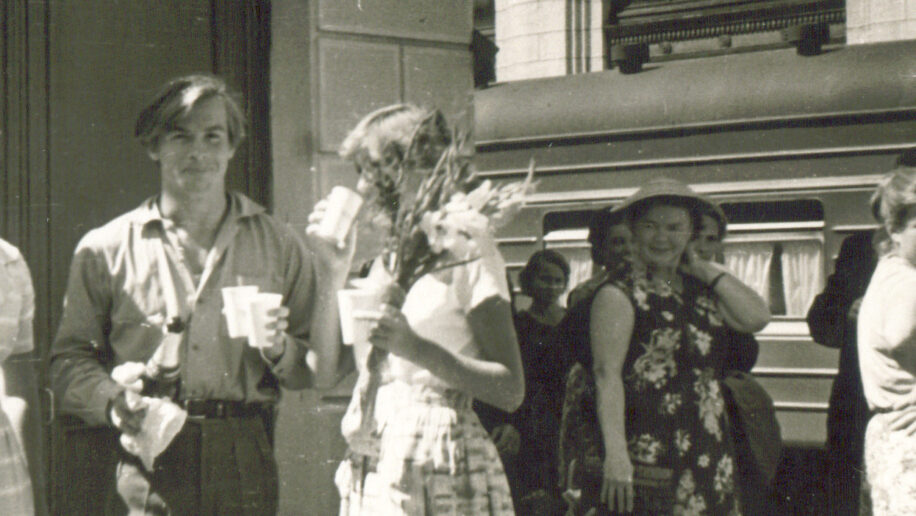
The Defection: No Running, No Jumping
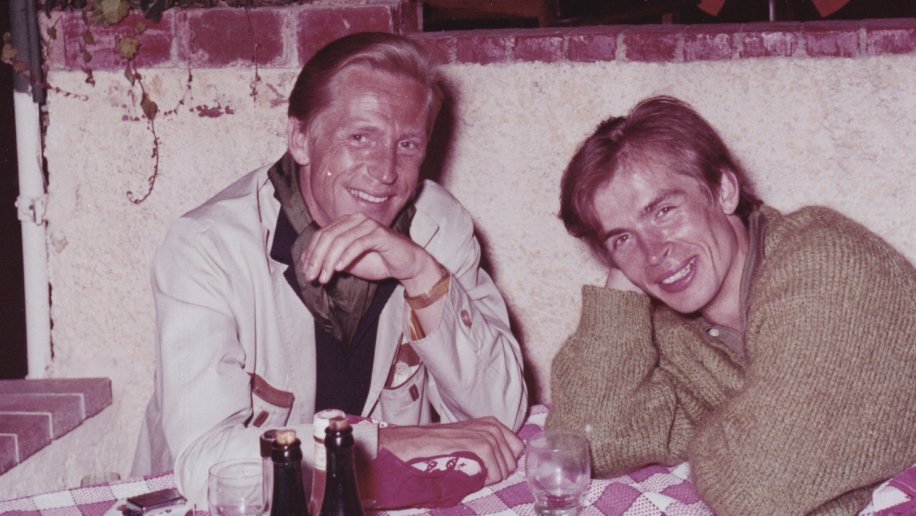
Erik Bruhn: The Burn of Ice
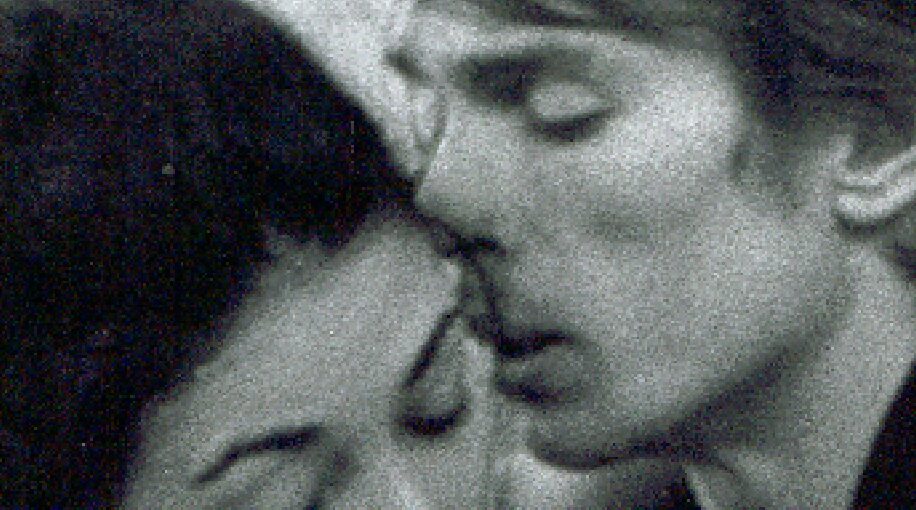
Nureyev and Fonteyn: A Taming of Sorts
The Royal Ballet Years: The Cuckoosha
The Sixties: Rudi Mania
The Seventies: Gate Crashing