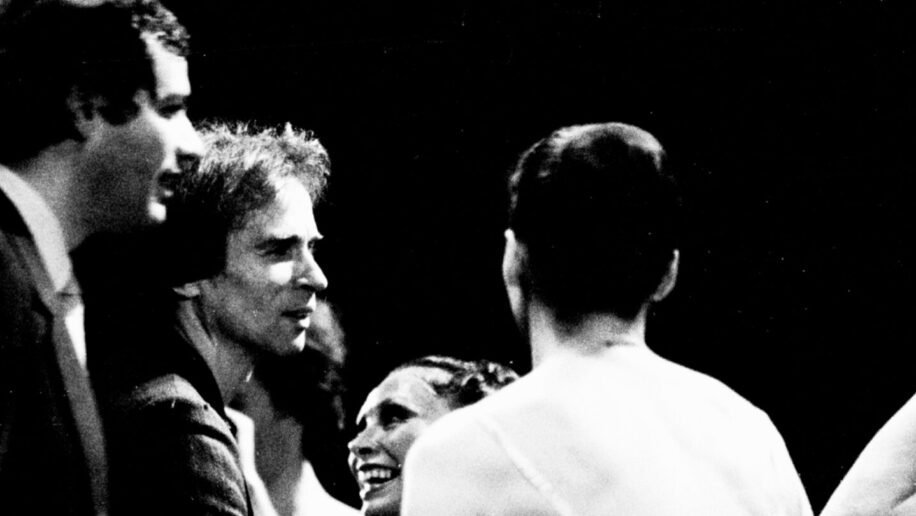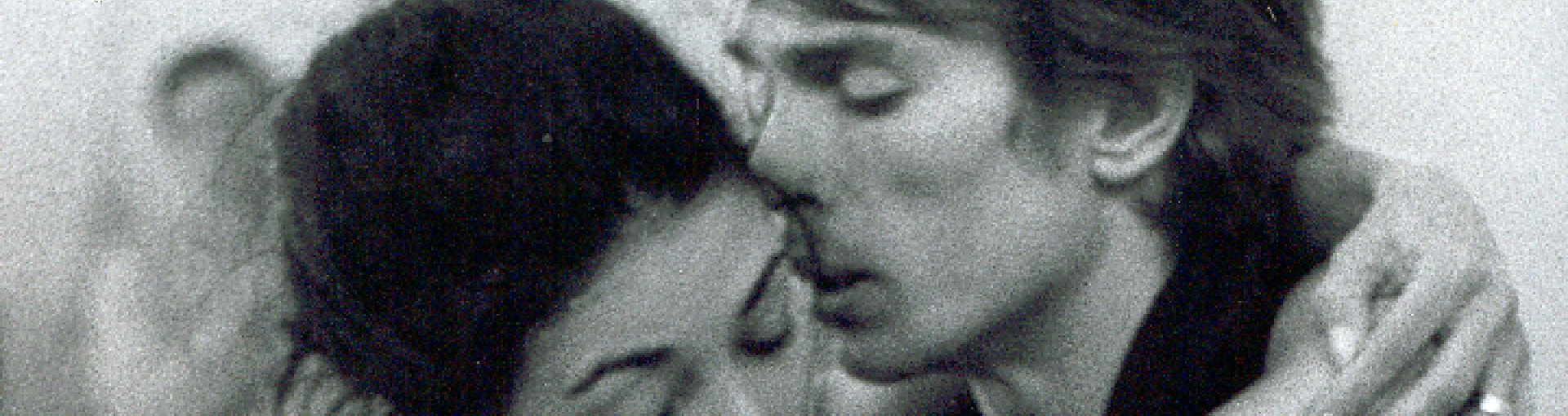
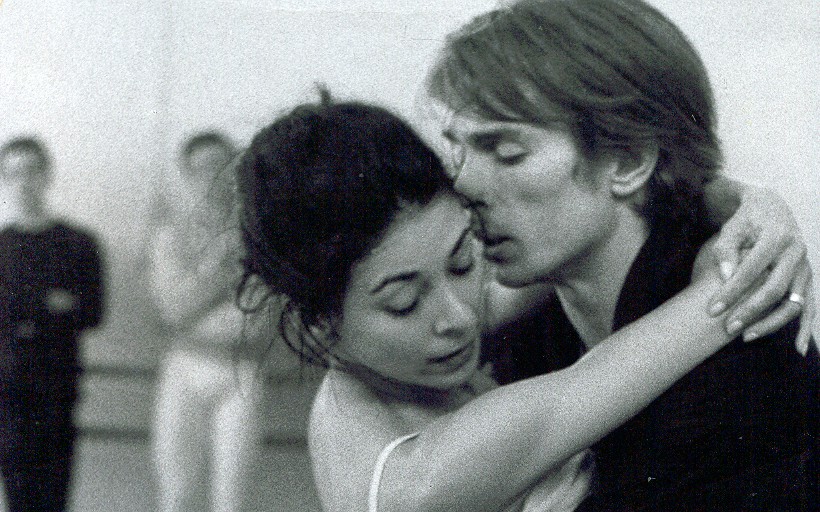
Julie Kavanagh writes about the phenomenal partnership between Rudolf Nureyev and Margot Fonteyn.
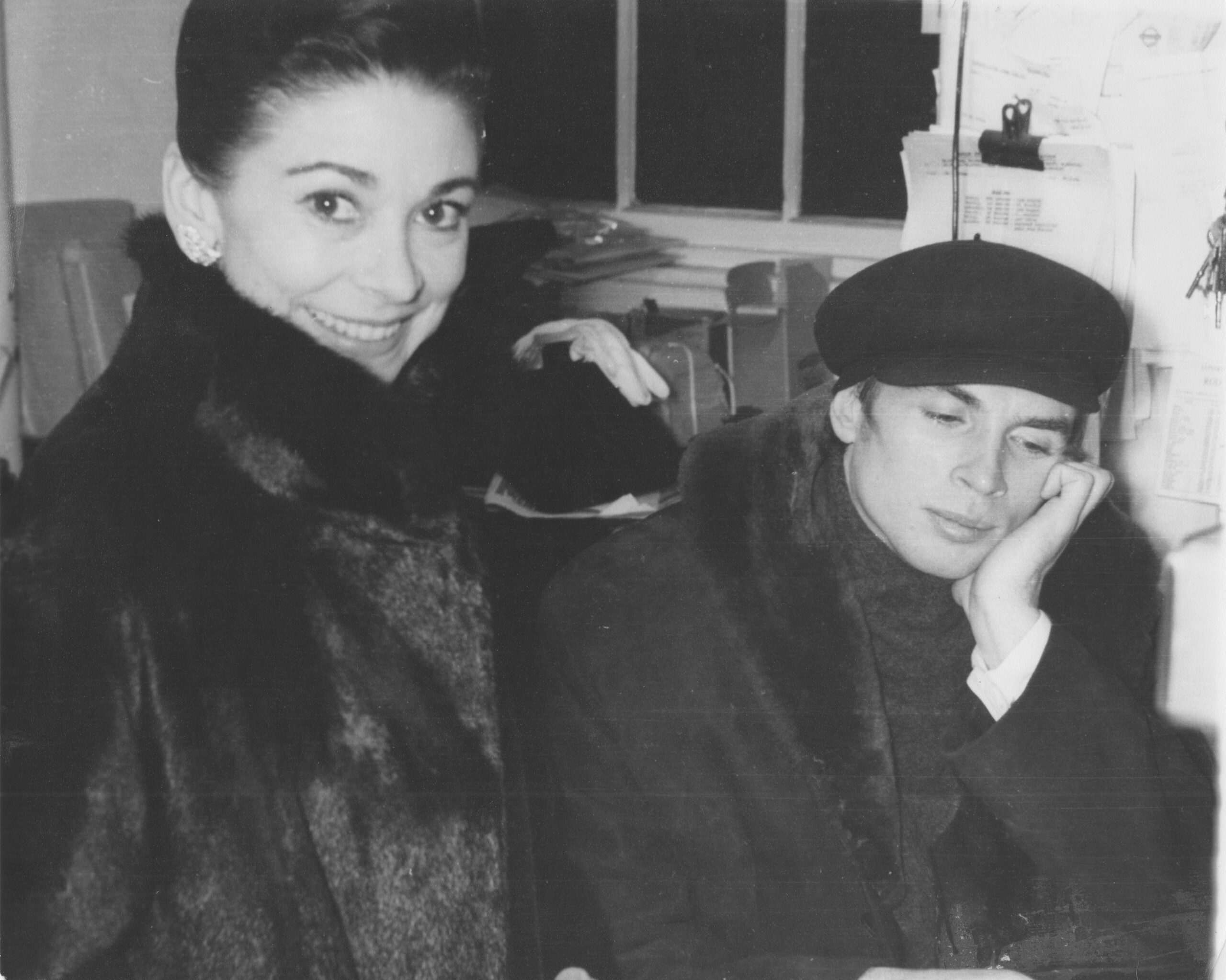
Rudolf’s first – and life-long – impression of Margot was ‘that such a big lady and big name was tremendously simple. And warm’. His first impression of her dancing, on the other hand, was ‘unfortunate’. And yet for him, Margot Fonteyn, even at the end of her career with a feeble technique, was the lodestar of English ballet, embodying the kind of immaculate schooling that he wanted to absorb.
Margot was also equivocal about Rudolf. Half her age and strident in his resolve to give the male dancer equal importance to the ballerina, he struck her as an insolent egotist. But she was competitive by nature and feared that without this new sensation as her partner, she might become ‘an absolutely back number, a nothing’. She agreed to try a few experimental Swan Lakes at an Italian festival away from the London critics.
In rehearsals, there were predictable clashes but giggles too, as when Margot reminded Rudolf that she had been performing the ballet since the year he was born. It was not long before a mutual respect emerged together with a constructive exchange of styles. He had started teaching her Russian bravura skills, tapping into her adventurous spirit by taunting,
“So – you are Great Ballerina. Show me!”
Rudolf Nureyev
He demonstrated the slow-breathing phrasing of Vaganova training that could give a voluptuousness to her rectangular movements; she, by example, helped him to polish his ragged placing and hit-and-miss technique, guiding his transformation into what one critic called ‘a new Nureyev. An English Nureyev’. ‘It was a taming of sorts’, said the French ballerina, Violette Verdy, ‘without losing the primitive thing but learning how to show it in a more artistic way’. They were developing a symmetry of line so remarkable that they became one body with no difference of styles or generation. It was as if they heard the music in the same way, their instinct for filling out a phrase to their fingertips quite uncanny in its simultaneity.
At the Royal Opera House, the Fonteyn/Nureyev Giselle of February 1962 launched the most phenomenal partnership in ballet history. Rudolf, his long cloak flowing behind him, an armful of white lilies held to his beautiful face, was the embodiment of the Romantic image; Margot, responding to his ecstatic displays of love, more rhapsodic than anyone could remember seeing her. Their heart-bursting Corsaire duet, although only a gala fragment, was even more astonishing. Pairing England’s prima ballerina assoluta with a barely clothed semi-barbaric Tatar, it had liberated Margot into mastering technical hazards, while Rudolf, an unleashed predator – masculine in the power of his leaps, feminine in his extended line and the Oriental delicacy of his arms – had created one more signature image of his Sixties self.
Frederick Ashton’s vehicle for the stars, the one act Marguerite and Armand, exploited the impact of their presence, his choreography for Rudolf blending the feline plastique of Corsaire with Albrecht’s passionate intensity.
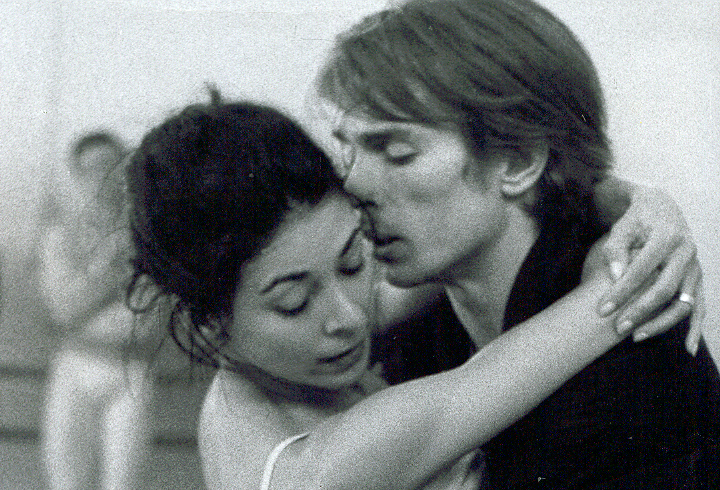
The rehearsals had been even more melodramatic than the ballet itself. While Ashton easily countered Rudolf’s eruptions with icy rejoinders, he could not endure his abusive treatment of Margot. She might shrug off Rudolf’s ‘outspoken’ way of getting what he wanted and, like a horse whisperer, was able to calm him, but Ashton felt hurt and undermined to see his muse of three decades completely in thrall to this young outsider.
Margot’s tenderness towards Rudolf and their ecstatic complicity spread to the audience, who interpreted what they saw as a real-life love story of an older woman for a beautiful youth. The never-seen-before visceral power of Margot’s emotion and the erotic frisson of her responses felt almost voyeuristic to watch – ‘a scene of seduction’, as one observer said. Speculation grew about whether or not the Fonteyn/Nureyev partnership had been consummated. Rudolf would enhance the mystique by saying yes as well as no; Margot admitting only to ‘a strange attachment’. There was a reason for her reticence. She knew what their public did not: Rudolf was desperately in love with someone else.
Read on to find out about Nureyev’s career with The Royal Ballet.
The Royal Ballet Years: The Cuckoosha
Read the article
The Russian Years: Lilac from the Gods
The Defection: No Running, No Jumping
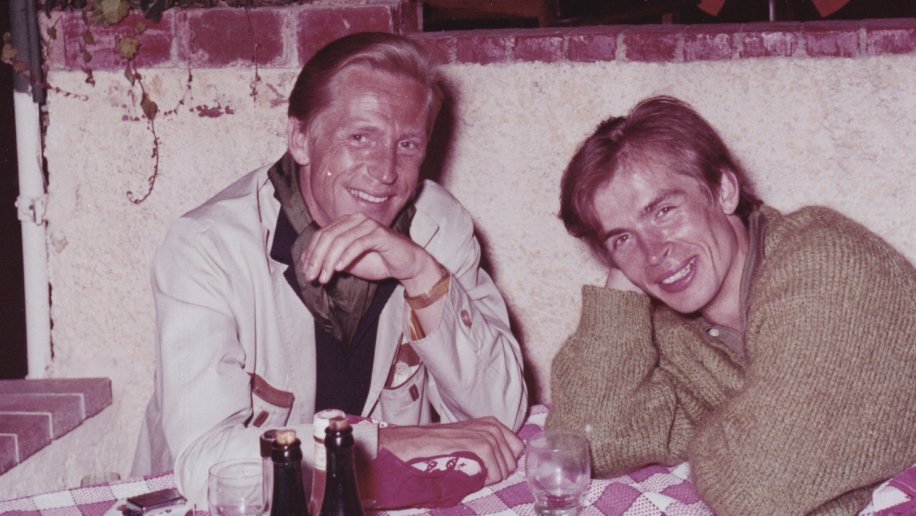
Erik Bruhn: The Burn of Ice
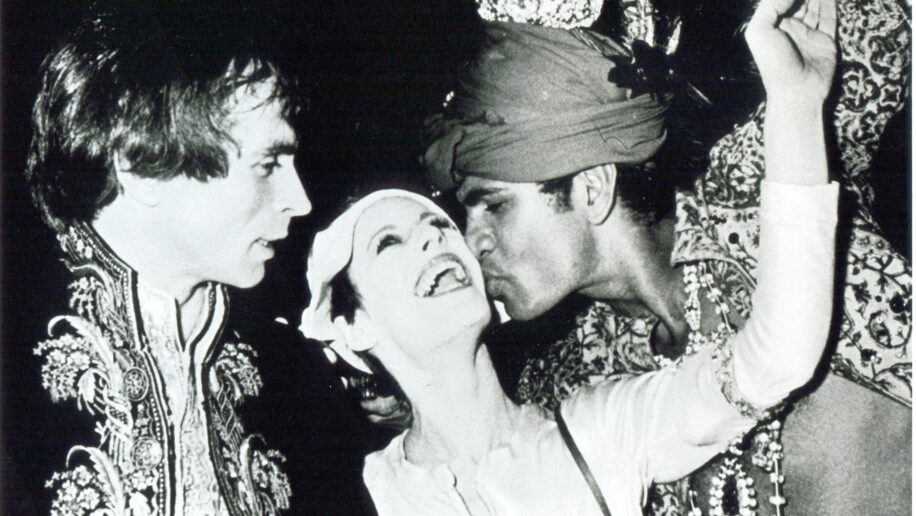
The Sixties: Rudi Mania
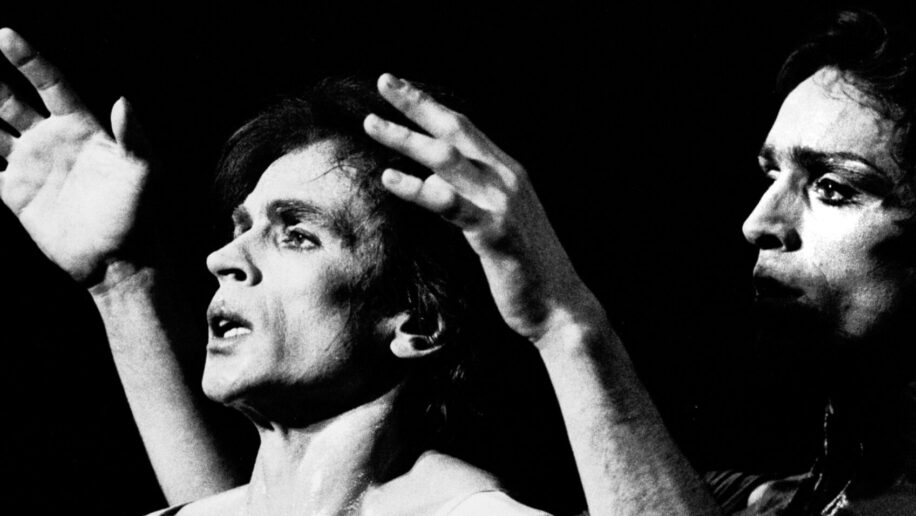
The Seventies: Gate Crashing
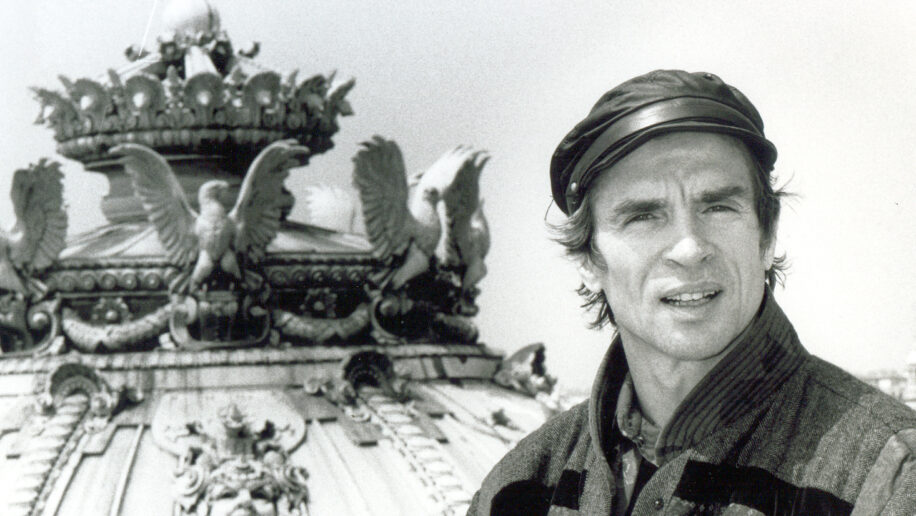
The Paris Opéra Years: Baggage of Knowledge