Julie Kavanagh writes about Nureyev's famous defection from Russia while in Paris.
The few who became close to Rudolf in Leningrad say that his life-defining decision was ‘prepared inside’. Even as a student he had been curious ‘to see what West about’, and particularly curious about the world of dance beyond his own. He would study images of English ballerinas in contraband copies of The Dancing Times, vowing to dance with them, and even asking to change the photograph on a schoolmate’s spare passport. ‘I knew at that moment he was going to defect one day.’
When the company toured Paris in May 1961 Rudolf’s debut had caused a furore – ‘People screamed’ – rekindling the kind of excitement generated by the first season of the Ballets Russes in 1919. ‘Through him,’ said one Kirov ballerina, ‘people in the West fell wildly in love with our art all over again’. Taken up by a sophisticated Parisian coterie, Rudolf gorged himself on the city’s cultural and cafe life, ignoring warnings to stay away from people described by the KGB as ‘politically suspicious … from artistic Bohemia’. Finally, on June 15, came the ‘incontestable’ order from the Communist Party’s Central Committee to send Nureyev back to Russia.
The drama of the following morning at le Bourget airport is played out with breath-holding suspense in Ralph Fiennes’ film The White Crow, intensifying the moment when Rudolf was taken aside and learned that he would not be going to London with the rest of the company. Kruschev had asked to see him dance in Moscow, he was told, and then that he needed to go to Ufa as his mother was ill. He knew immediately that these were lies. It was Russia’s revenge for his ‘absolutely intolerable’ conduct: he would be banned from travelling abroad again and probably banished to Bashkiria. This was the end: ‘It was like a suicide’. Hyperventilating, almost fainting, he held up four fingers crossed like bars to show his Kirov colleagues that he might as well be going to prison.
It was his closest Parisian friend, Clara Saint, who saved him. With the collusion of two border control police, she duped Rudolf’s KGB guards by pretending to whisper a final au revoir to the dancer they knew she was smitten by. Clara told Rudolf that to be granted asile politique he had to approach the Frenchmen himself – they were forbidden to go to him. So, in his imperious walk, Rudolf strode forward – ‘six steps exactly’ – to reach the two commissars standing at the bar. ‘No jumping, no running, no screaming, no hysteria…Quietly, I say: ‘I would like to stay in your country’.’
Erik Bruhn: The Burn of Ice
Read the next article
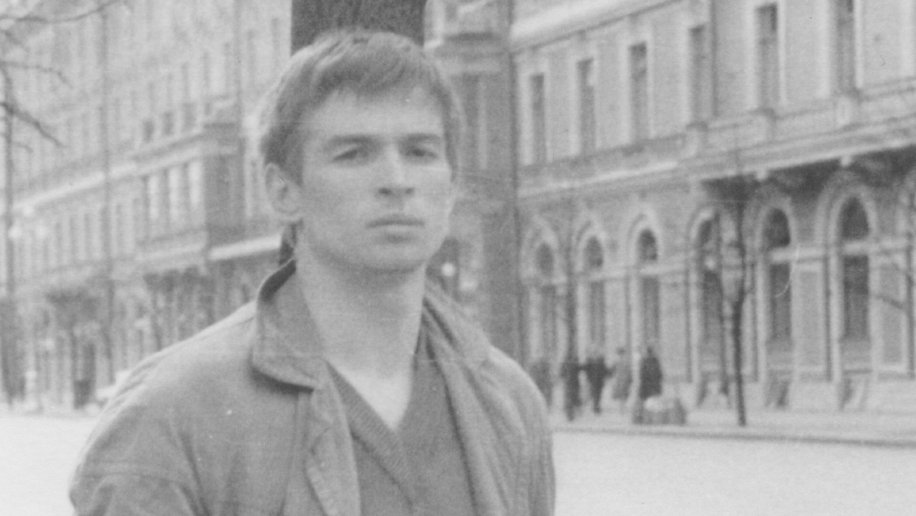
The Russian Years: Lilac from the Gods
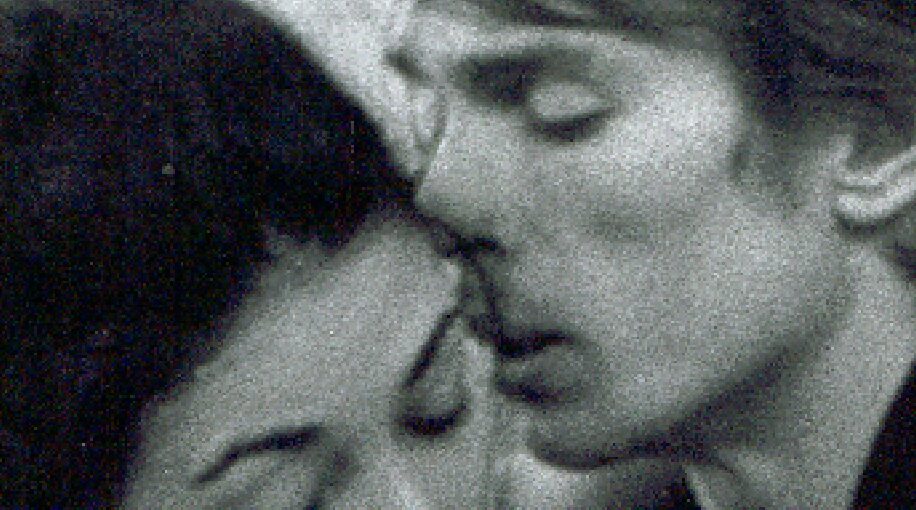
Nureyev and Fonteyn: A Taming of Sorts
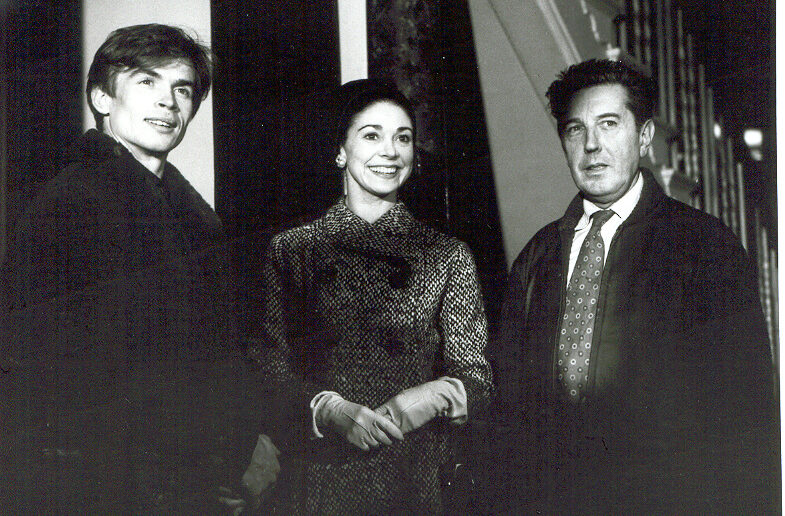
The Royal Ballet Years: The Cuckoosha
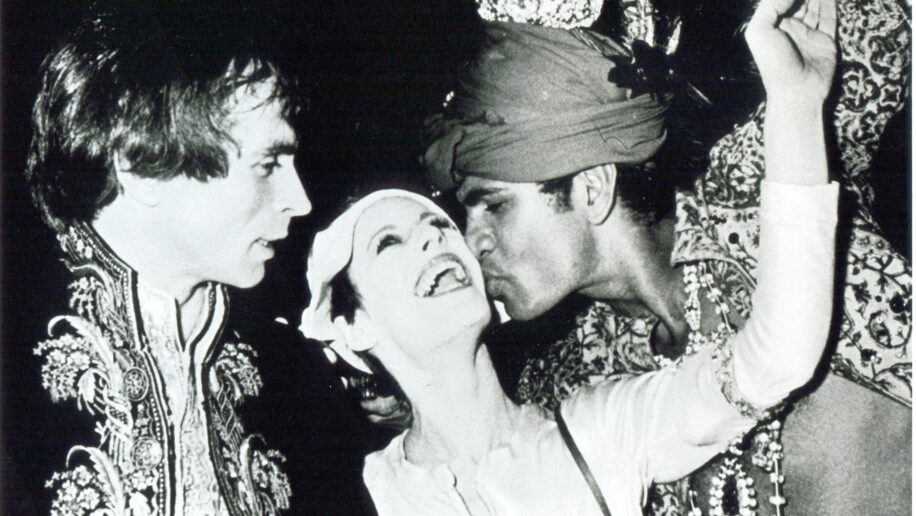
The Sixties: Rudi Mania
The Seventies: Gate Crashing
The Paris Opéra Years: Baggage of Knowledge