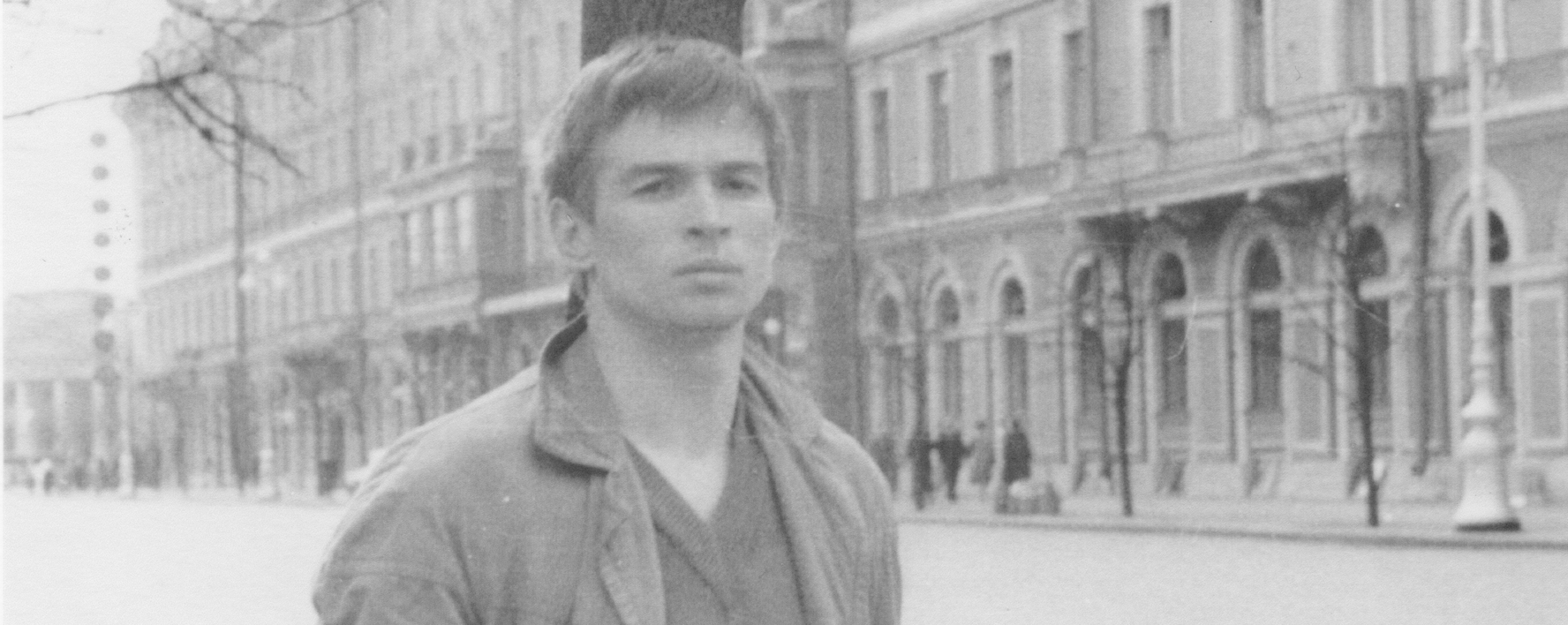
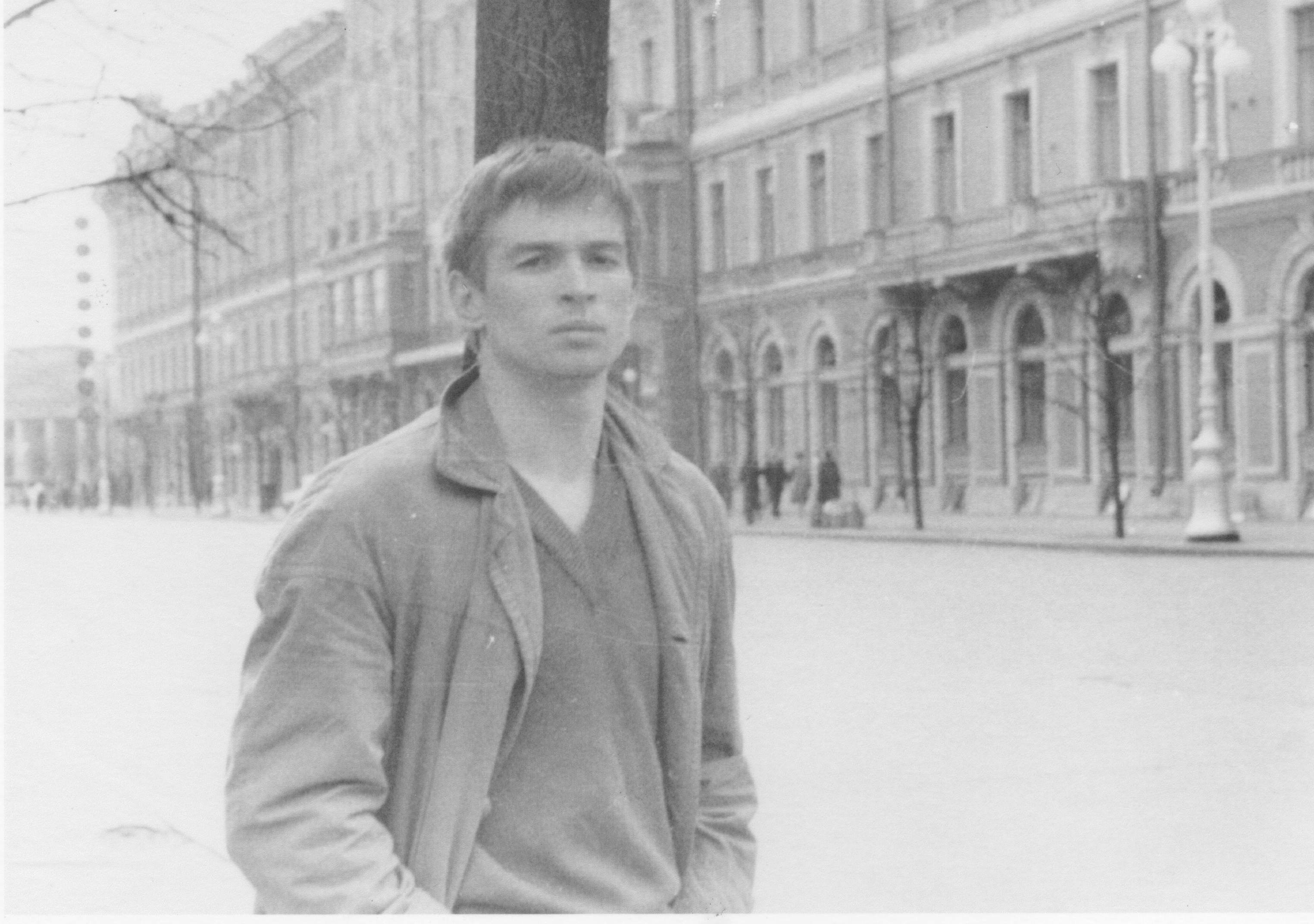
Julie Kavanagh writes about Nureyev’s early years and the beginning of his career at the Kirov Ballet.
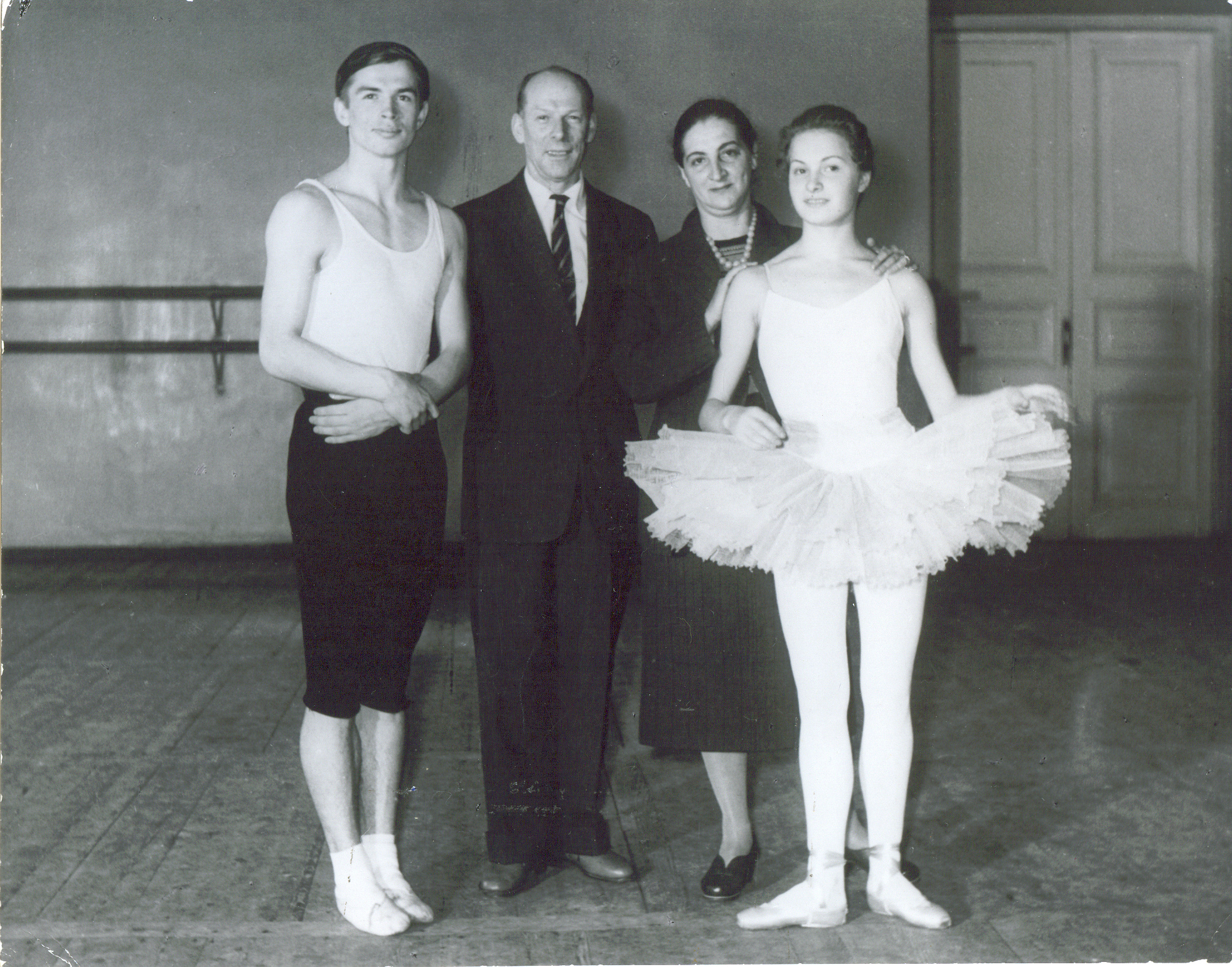
He was Rudik then, not Rudolf – a maverick from the day he arrived to study at Leningrad’s Vaganova School. ‘I was intruder. Outsider from province.’ The memory of his impoverished childhood in Bashkiria had given him an air of superiority with his dormitory mates who marvelled at his defiance.
Compensating for his lack of culture, he would escape at night to concerts, plays and ballets; in daily class, his first lessons in folk dancing had instilled a challenging tilt of the head and virile attack. ‘He stood out because he had some kind of flame.’ But Rudolf knew that he lacked the clarity and control needed for the Kirov’s aesthetic of sublime classical precision.
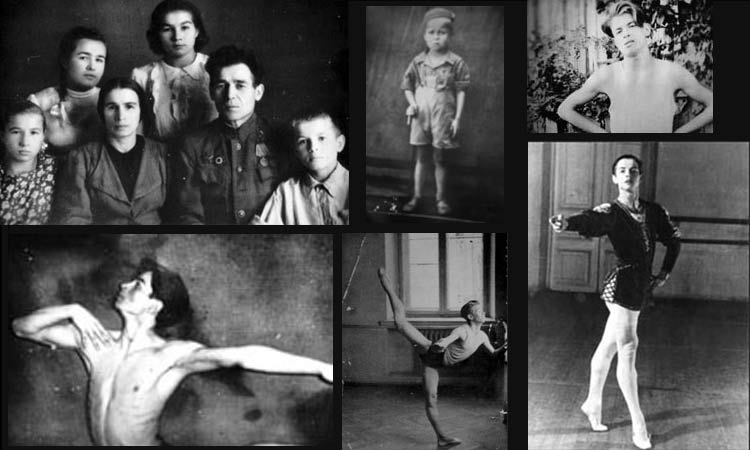
Under the mentorship of Alexander Pushkin, a serene, almost hieratic man, he began to absorb great Russian schooling – the rubato phrasing and harmonious coordination of the whole body that he would in turn pass on to dancers in the West. He was also moulding himself. Not finding a role model among the Kirov’s brawny male principals, Rudolf set about learning from the ballerinas, assimilating what he called ‘woman steps’. He practised their variations, copied their drifting arms, and – in his most audacious plagiarism of all – adopted what dancers call a high relevé and high retiré. By rising high on the balls of his feet and lifting his working leg from shin level to above the knee he discovered a way to streamline his sturdy legs. It was a danseur noble look that was far more Western than Russian.
A 1958 film of his student performance of the Corsaire solo shows the crudeness of Rudolf’s placing, but those who saw him for themselves insist that the camera caught nothing of his power on stage. For his peers – the Bolshoi’s star pupil, Vladimir Vasiliev among them – the ballerina innovations were transfixing. ‘I thought, God! This guy is really dancing on pointe. It was so beautiful.’ Mikhail Baryshnikov, a Pushkin pupil a decade later, agreed:
“Maybe his legs were not as long as they should have been, but it was like a touch of earth there, with that man’s butt and overdeveloped calf. It was very masculine and at the same time had a touch of the feminine… That gave him a sort of sexuality nobody around had at that time. It was so exotic.”
Mikhail Baryshnikov
As a Kirov soloist Rudolf became the company star. ‘A wonderful thing began to happen – it was like a fever, a madness.’ Besotted girls would wear huge skirts to hide the lilacs they had picked in the Field of Mars and thrown down from the gods to festoon the stage around him. As in the West, a few years later, his curtain calls were almost as electrifying as his performance.
Rudolf’s breaking of barriers had begun with his debut in Giselle – a revelation of beauty and originality, his long-haired embodiment of modern youth not only challenging the Kirov’s traditional Albrecht but ushering in the rebel era to come. In Don Quixote, a warhorse of a ballet, he introduced a cross-pollination of folk dance with pure classical form and instigated his life-long reputation as a monstre sacré by refusing to go on stage wearing the conventional ‘lampshade’ short baggy trousers. ‘Why should I? In the West they’ve been dancing in tights for years.’ He got his way and won the admiration of his male colleagues. ‘After that night, no man could tolerate those pants. We were entering a new era… Nureyev was a beacon for the future.’
Read on to find out about Nureyev’s defection to the West.
The Defection: No Running, No jumping
Read the next article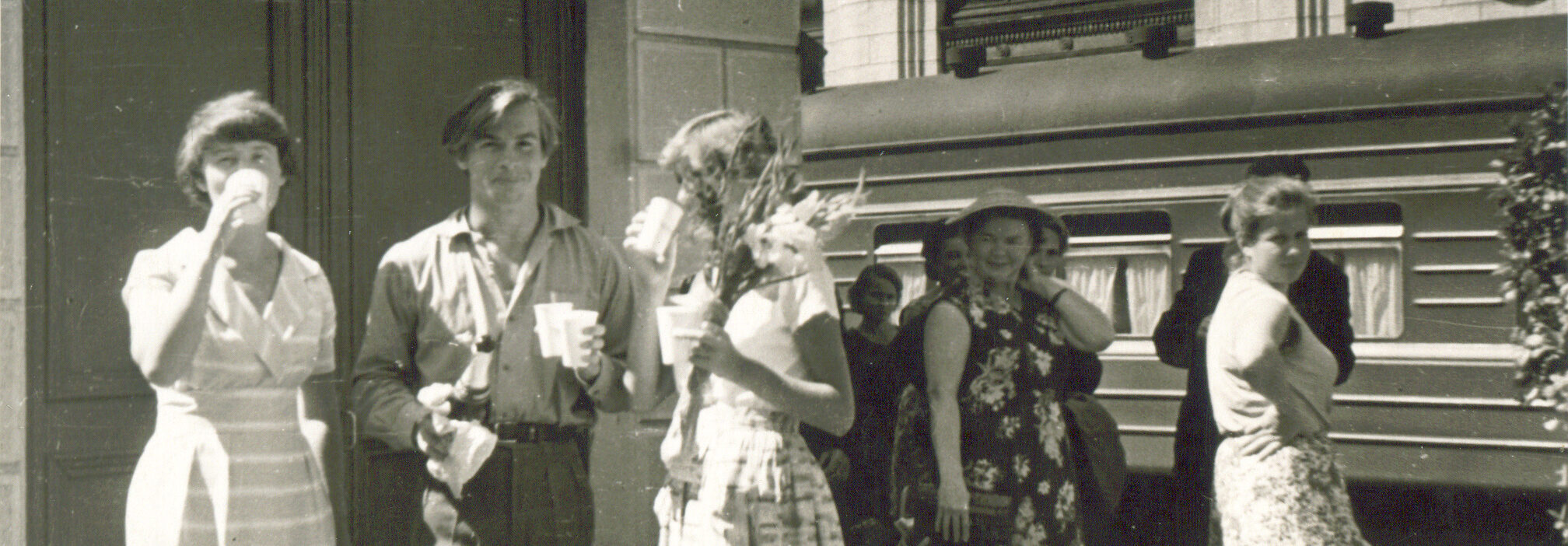
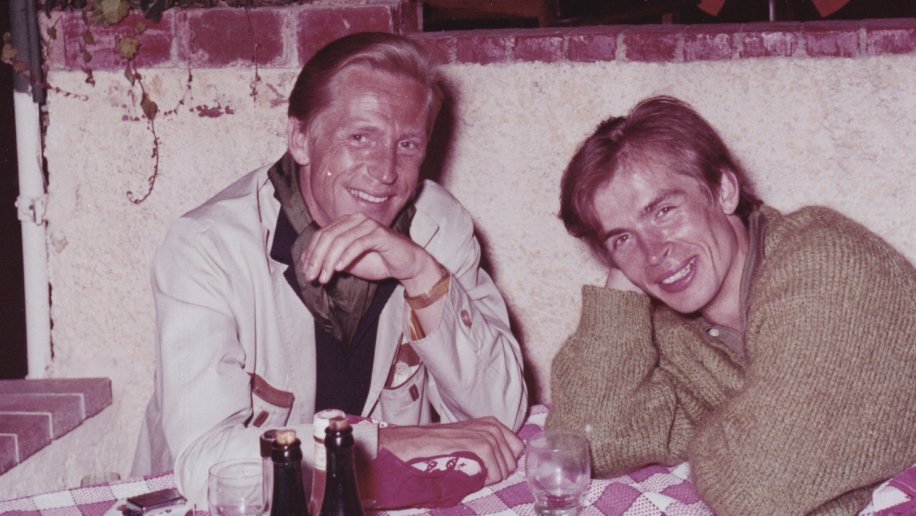
Erik Bruhn: The Burn of Ice
Nureyev and Fonteyn: A Taming of Sorts
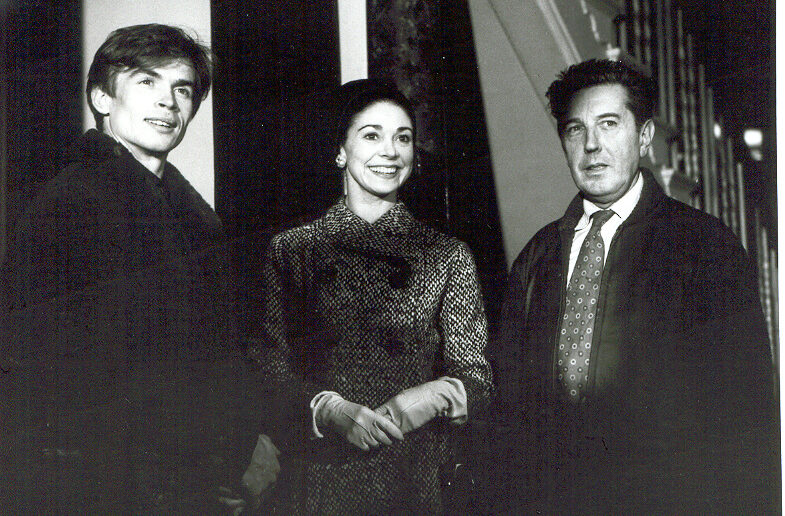
The Royal Ballet Years: The Cuckoosha
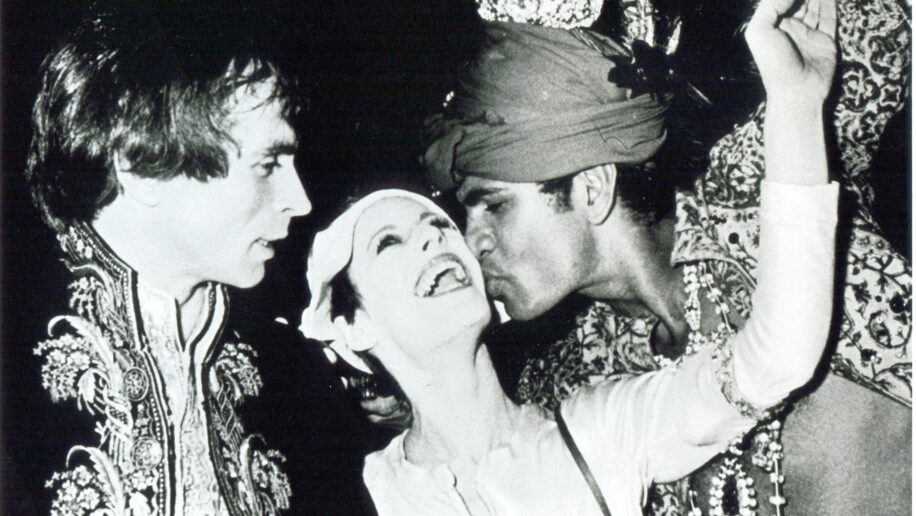
The Sixties: Rudi Mania
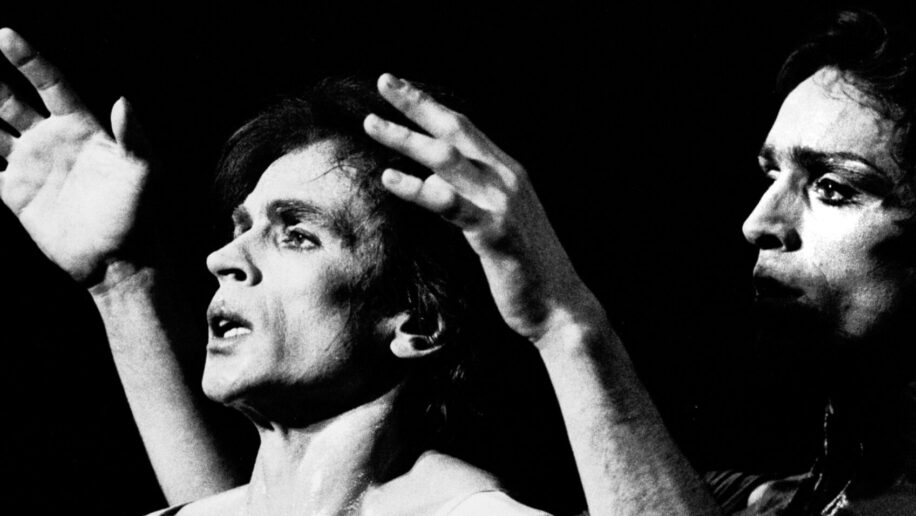
The Seventies: Gate Crashing
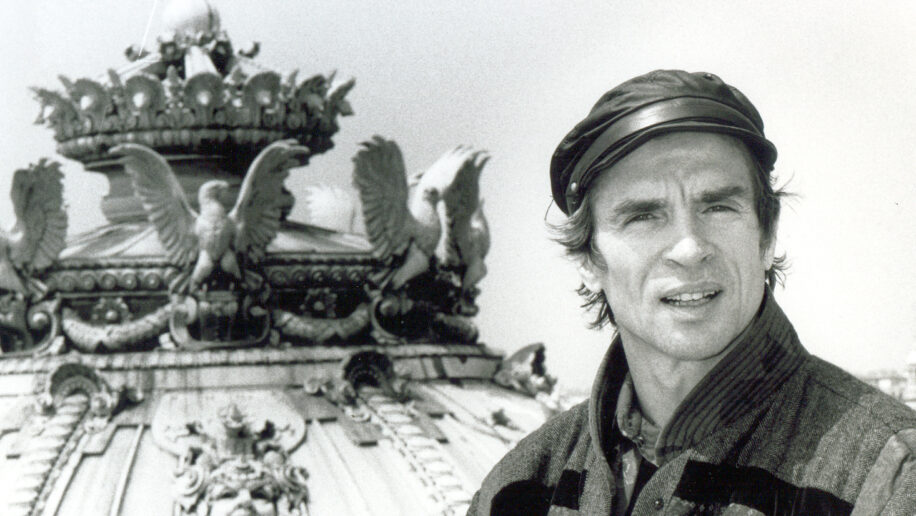
The Paris Opéra Years: Baggage of Knowledge